
What Happens To My Rental Property If I Die Without A Will?
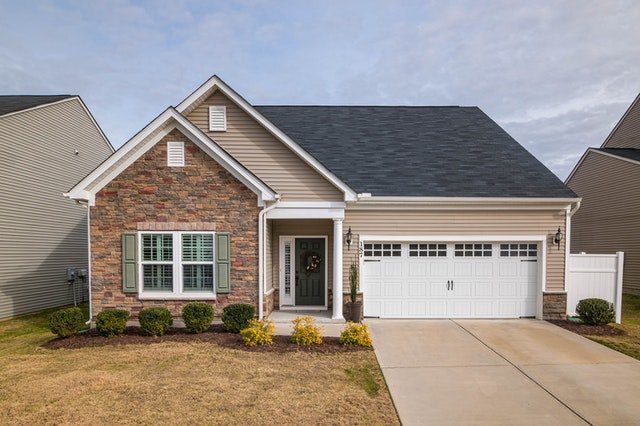
If you are a landlord—that is, if you own a property that you rent out, either commercially or as a residence—you have a great deal of responsibility. You have tenants who depend on you, and depend upon the income generated from the property you own.
In the event that you die, you will want to pass the property on to a beneficiary.
If you do not yet have a Will, however, the situation becomes more complicated.
For One Thing, What Happens To Your Tenants?
The primary question is whether or not you have an active lease in effect. In that lease, you both agree that the tenant will pay a certain amount to rent the property for a specified amount of time. In most states, the current lease remains in effect after the death of the landlord. The agreed-upon amount of rent continues until the end of the lease period. This continuation and honoring of the lease continues whether the property is bequeathed to a beneficiary or whether a third party buys the property.
If you own the property solely in your name and you do not have a Will, your heirs inherit the property. Your renters can put their rent checks into an escrow account until the new owner (or the administrator of your estate) contacts them to change the payee for their rent checks.
If there is no valid lease in place, then legally your tenant is living under a month-to-month lease. In that case, either you or tenant can end the period of tenancy with 30 days’ notice. Whomever inherits the property, therefore, could also end the tenancy with 30 days’ notice.
Drafting a Will is greatly suggested, no matter your financial situation. Owing property and acting as a landlord is a situation where a Will is of great importance. It simplifies the chain of ownership and allows for stability for your renters as well as any beneficiaries. To create a Will or update one to include your rental property, an estate lawyer can help make sure all parties are legally looked after following your death.